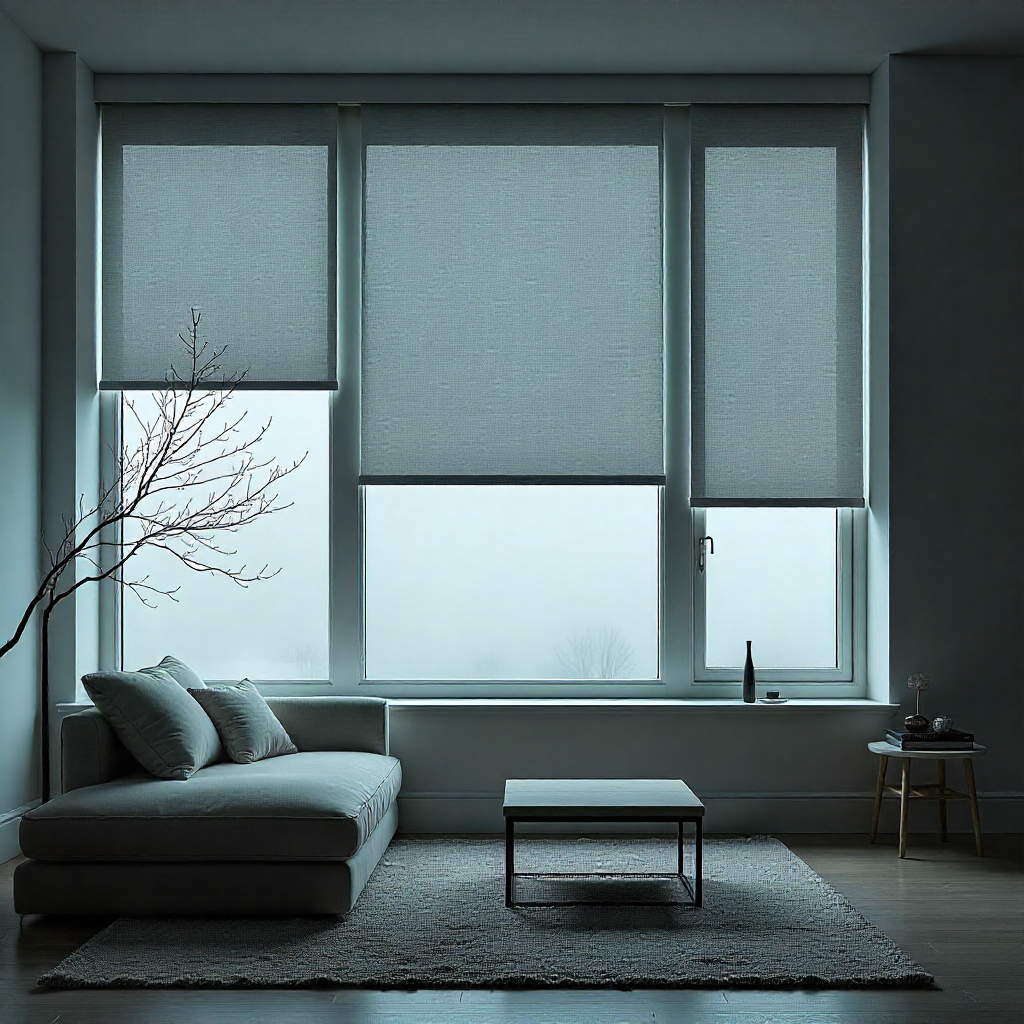
Acoustic Technology Explained
Understanding the science behind sound-absorbing blinds
Material Layers Visualized
Our acoustic blinds feature a sophisticated multi-layer construction designed to maximize sound absorption. Each layer serves a specific purpose in reducing noise transmission and creating a quieter indoor environment.
Cross-Section View
Multi-Layer Construction
Layer Breakdown
- Outer Fabric Layer: Dense, textured material that captures initial sound waves and provides aesthetic appeal.
- Sound-Absorbing Core: Specialized acoustic foam or fiber material that converts sound energy into heat through friction.
- Backing Layer: Dense barrier that prevents sound transmission and provides structural integrity.
Noise Reduction Performance
Our acoustic blinds are tested and certified for noise reduction across various frequency ranges. The following charts demonstrate the effectiveness of our sound-absorbing technology.
Decibel Reduction by Frequency
Before vs After Comparison
Without Acoustic Blinds
With Acoustic Blinds
Average Reduction: 18 dB
Audio Comparison Demonstration
Experience the difference our acoustic blinds make. The following demonstration shows the noise reduction capabilities in real-world scenarios.
Before Installation
Traffic noise, street sounds, and external disturbances are clearly audible inside your home.
After Installation
Significantly reduced noise levels create a peaceful, quiet environment perfect for rest and focus.
Real-World Benefits
- Reduced traffic noise from busy streets
- Minimized neighbor and building sounds
- Improved sleep quality and relaxation
- Better focus for work-from-home environments
Why Vertical Blinds Absorb More Sound
Vertical blinds offer superior acoustic performance compared to traditional horizontal blinds. The unique design and material structure create multiple advantages for sound absorption.
Vertical Surface Area
The vertical orientation creates more surface area for sound waves to interact with, increasing absorption efficiency.
Layered Construction
Multiple overlapping panels create additional sound barriers and absorption layers, enhancing noise reduction.
Sound Wave Disruption
The vertical gaps between panels disrupt sound wave patterns, causing them to lose energy and reduce in intensity.
Material Density
Vertical panels can accommodate thicker, denser acoustic materials without compromising functionality or appearance.
"The combination of vertical orientation, layered materials, and strategic panel spacing makes vertical acoustic blinds significantly more effective at sound absorption than traditional alternatives."
Ready to Experience Advanced Acoustic Technology?
Contact us to learn more about our innovative sound-absorbing solutions.
Get in Touch