
Installation & Maintenance
Complete guide to installing and caring for your acoustic blinds
Professional Installation Made Simple
Installing acoustic blinds is a straightforward process that can be completed in a few hours. Whether you choose professional installation or DIY, following these steps ensures optimal performance and longevity of your sound-absorbing window treatments.
Proper installation is crucial for maximizing acoustic performance. Gaps, misalignment, or improper mounting can significantly reduce noise reduction effectiveness.
Step-by-Step Installation Guide
Measure Your Windows
Accurately measure the width and height of your window frame. For inside mount, measure the inside dimensions. For outside mount, measure the area you want to cover, adding 2-3 inches on each side for optimal coverage. Record measurements in multiple places as windows may not be perfectly square.
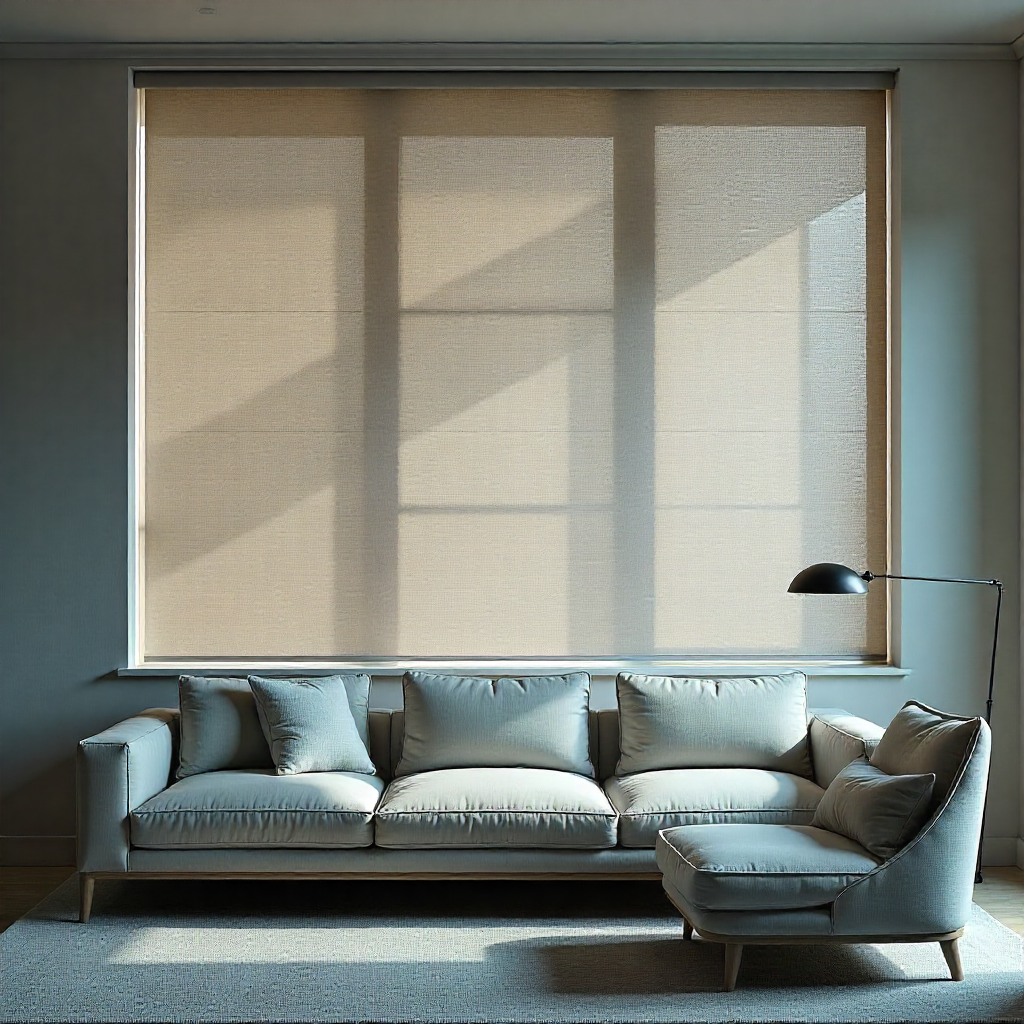
Mark Mounting Points
Using a level, mark the mounting bracket positions on the wall or window frame. Ensure brackets are level and evenly spaced. For vertical blinds, typically two brackets are needed at the top of the window. Mark drill hole locations with a pencil, double-checking measurements before proceeding.

Drill Holes and Install Brackets
Drill pilot holes at marked locations using an appropriate drill bit for your wall type (drywall, concrete, wood). Insert wall anchors if needed. Secure mounting brackets using provided screws, ensuring they are tight and level. Test bracket stability before proceeding to the next step.
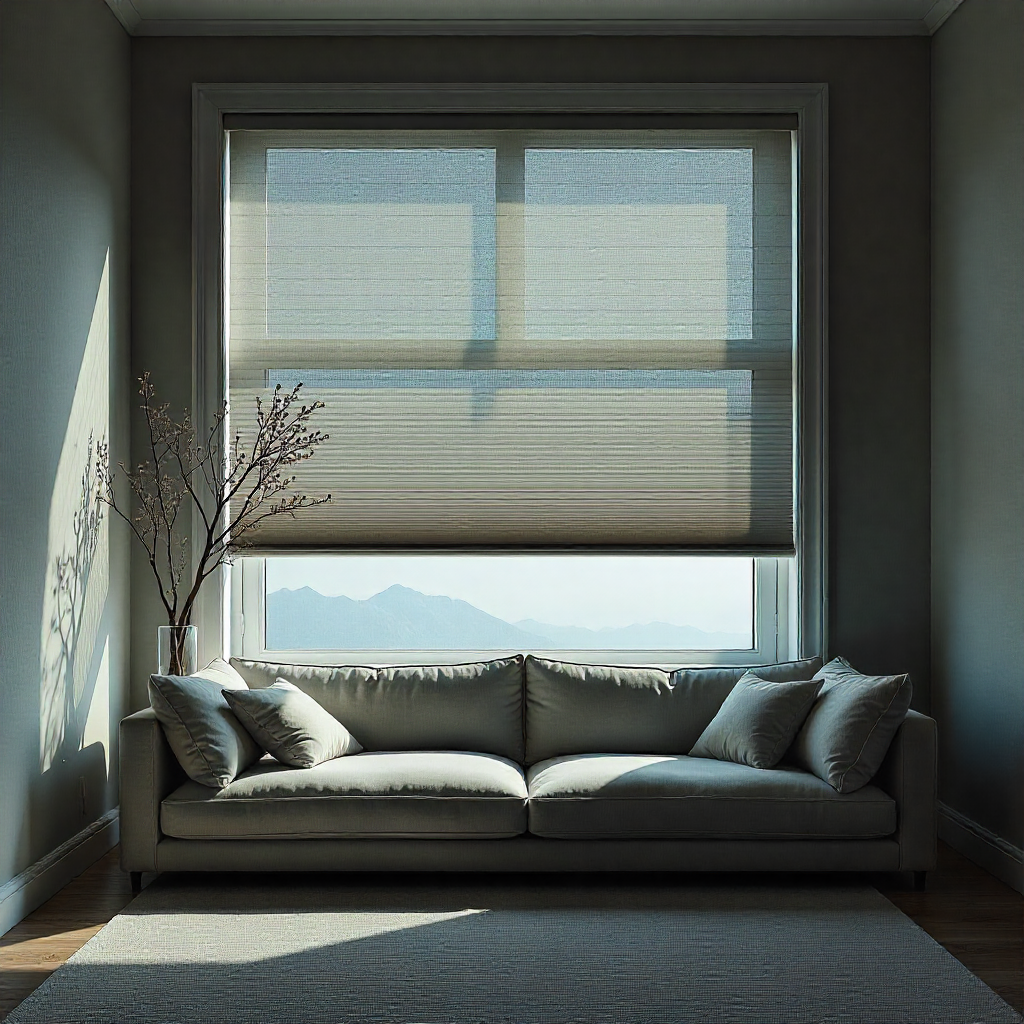
Attach the Headrail
Carefully lift the headrail and align it with the mounting brackets. The headrail should click or slide into place securely. Verify that the headrail is level and properly seated in all brackets. For heavier blinds, have an assistant help support the weight during installation.

Install Vertical Panels
Insert vertical panels into the headrail, ensuring they hang straight and evenly spaced. Each panel should slide smoothly along the track. Adjust panel spacing to ensure even coverage across the window. Test the opening and closing mechanism to verify smooth operation.

Final Adjustments and Testing
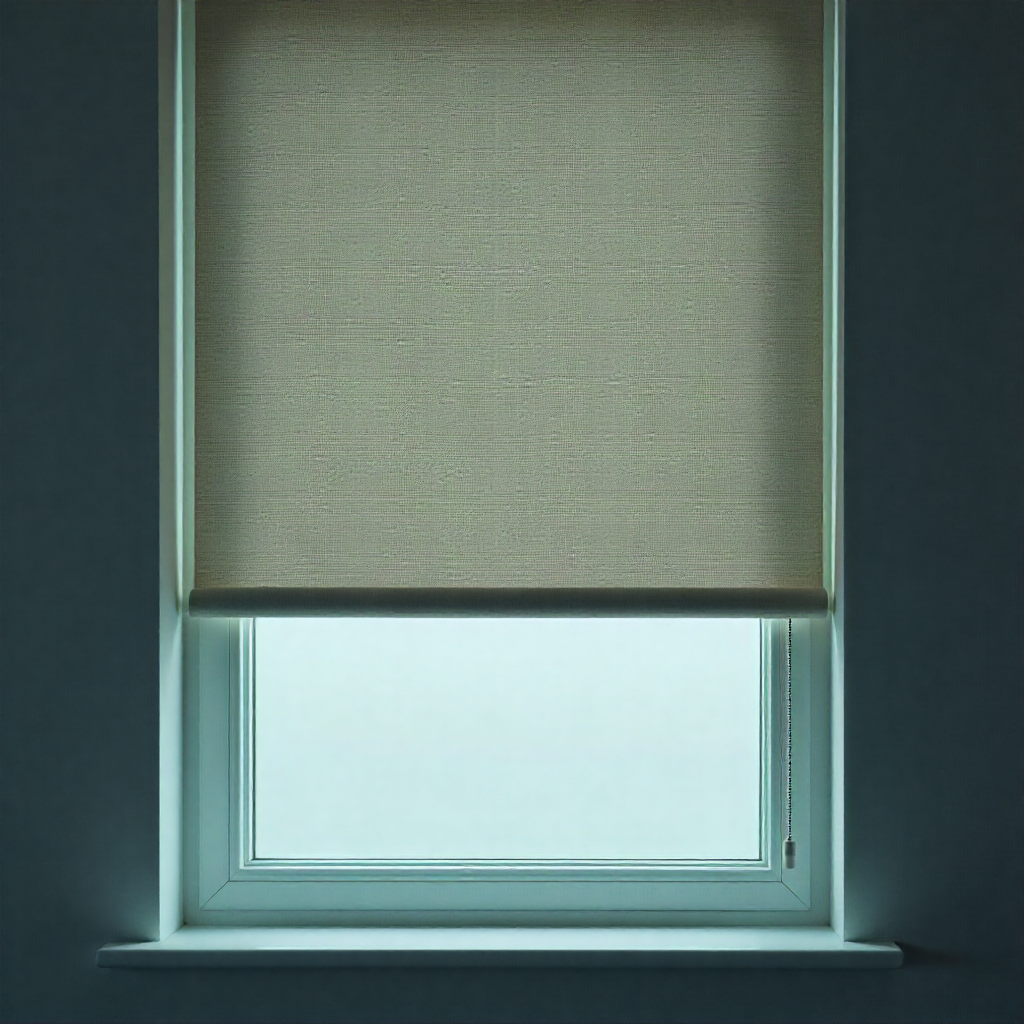
Adjust panel alignment and spacing for optimal coverage. Test all functions: opening, closing, and tilting mechanisms. Check for any gaps that could reduce acoustic performance. Make final adjustments to ensure panels create a tight seal when closed, maximizing sound absorption.
Tips for Maximizing Acoustic Performance
Proper installation is just the beginning. These additional tips help ensure you get the maximum noise reduction from your acoustic blinds.
Minimize Gaps
Ensure panels overlap properly and create a tight seal when closed. Even small gaps can significantly reduce acoustic effectiveness.
Proper Sizing
Choose blinds that extend slightly beyond window edges for better coverage. Outside mount often provides superior acoustic performance.
Layered Approach
Combine acoustic blinds with curtains or additional sound-absorbing materials for enhanced noise reduction in high-traffic areas.
Regular Maintenance
Keep blinds clean and properly adjusted. Dust and debris can reduce acoustic performance over time.
Cleaning & Maintenance
Fabric Acoustic Blinds
- Vacuum regularly using a soft brush attachment to remove dust and debris
- Spot clean stains immediately with a damp cloth and mild detergent
- For deep cleaning, use a fabric-safe cleaner and test on a small area first
- Avoid excessive moisture that could damage acoustic materials
Hybrid Acoustic Materials
- Wipe down with a dry or slightly damp microfiber cloth
- Use gentle cleaning solutions designed for synthetic materials
- Inspect mechanisms regularly and lubricate moving parts as needed
- Check for wear and replace damaged panels to maintain acoustic integrity
Pro Tip: Regular maintenance not only keeps your blinds looking great but also ensures optimal acoustic performance. Clean blinds maintain their sound-absorbing properties better than dusty or soiled ones.
Need Professional Installation Help?
Our certified installers can ensure perfect installation for maximum acoustic performance.
Schedule Installation